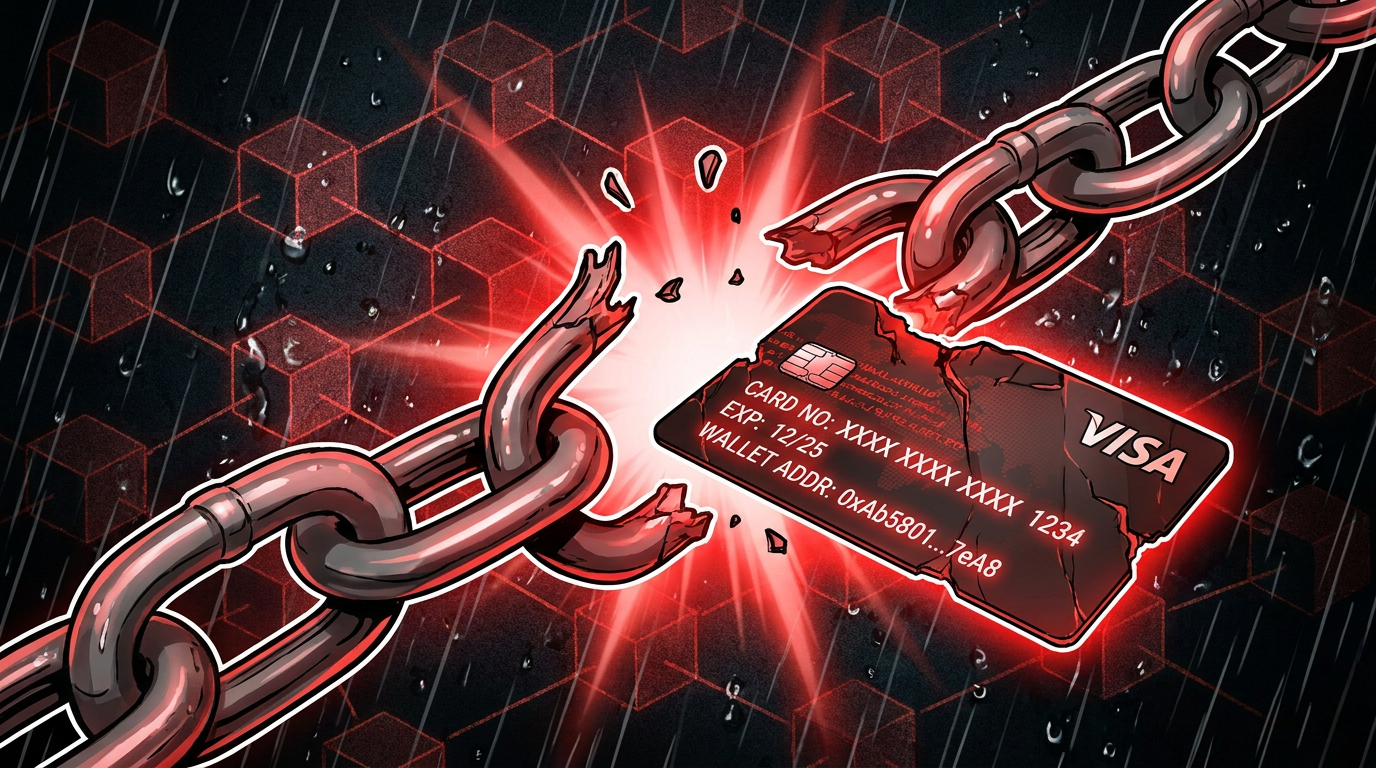
Explainer: seed phrases, hardware wallets and self-custody

Sample article created by the setup wizard for demonstration. Edit or delete it.
A crypto wallet does not store coins; it stores the private keys that prove you may move them. Most wallets back those keys up with a seed phrase of twelve or twenty-four words. Anyone who has the seed phrase controls the funds.
Self-custody means you hold those keys yourself instead of leaving assets with a centralized exchange or other custodian. It removes dependence on a company, but mistakes are usually irreversible: a lost phrase cannot be reset.
A hardware wallet keeps keys on a separate device and signs transactions internally, which protects against much malware. For shared funds, a multisig setup requires several keys to approve a payment.
Phishing remains the most common threat. Fake support agents, look-alike websites and fake airdrop pages try to obtain a seed phrase or trick users into signing a token approval that lets an attacker spend their tokens. Legitimate services never ask for your seed phrase.
Explained in this article
-
Centralized Exchange
A company-run platform that holds customers’ funds and matches trades. Full definition →
-
Hardware Wallet
A physical device that keeps private keys offline. Full definition →
-
Wallet
Software or hardware that holds the keys controlling crypto assets. Full definition →
-
Self-Custody
Holding your own keys instead of relying on a company. Full definition →
-
Seed Phrase
The backup words that can restore a wallet’s keys. Full definition →
-
Multisig
A wallet that needs several keys to approve a transaction. Full definition →
-
Phishing
Impersonation scams that trick users into giving up keys or approvals. Full definition →
-
Token
A digital asset issued on top of an existing blockchain. Full definition →